
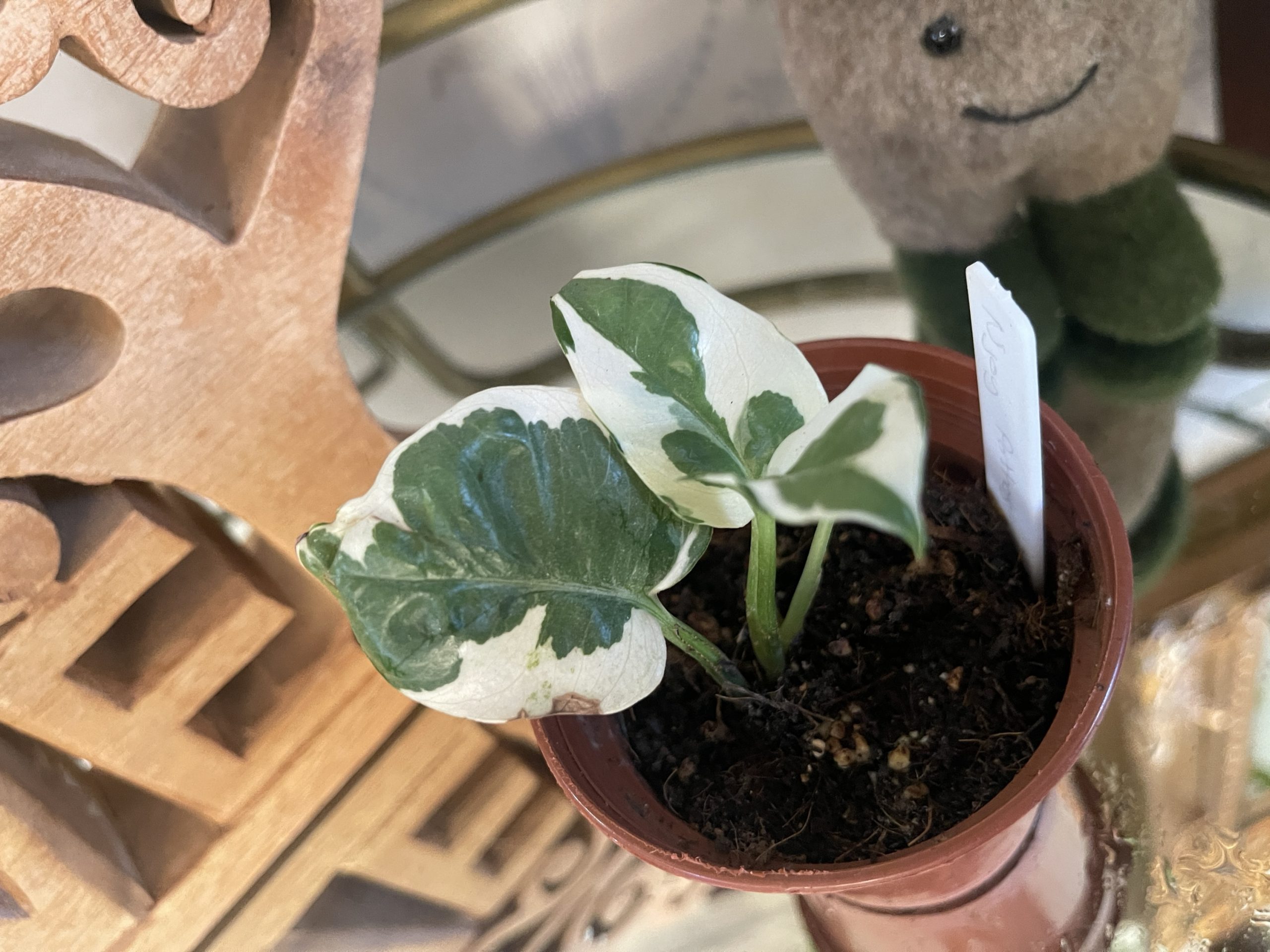
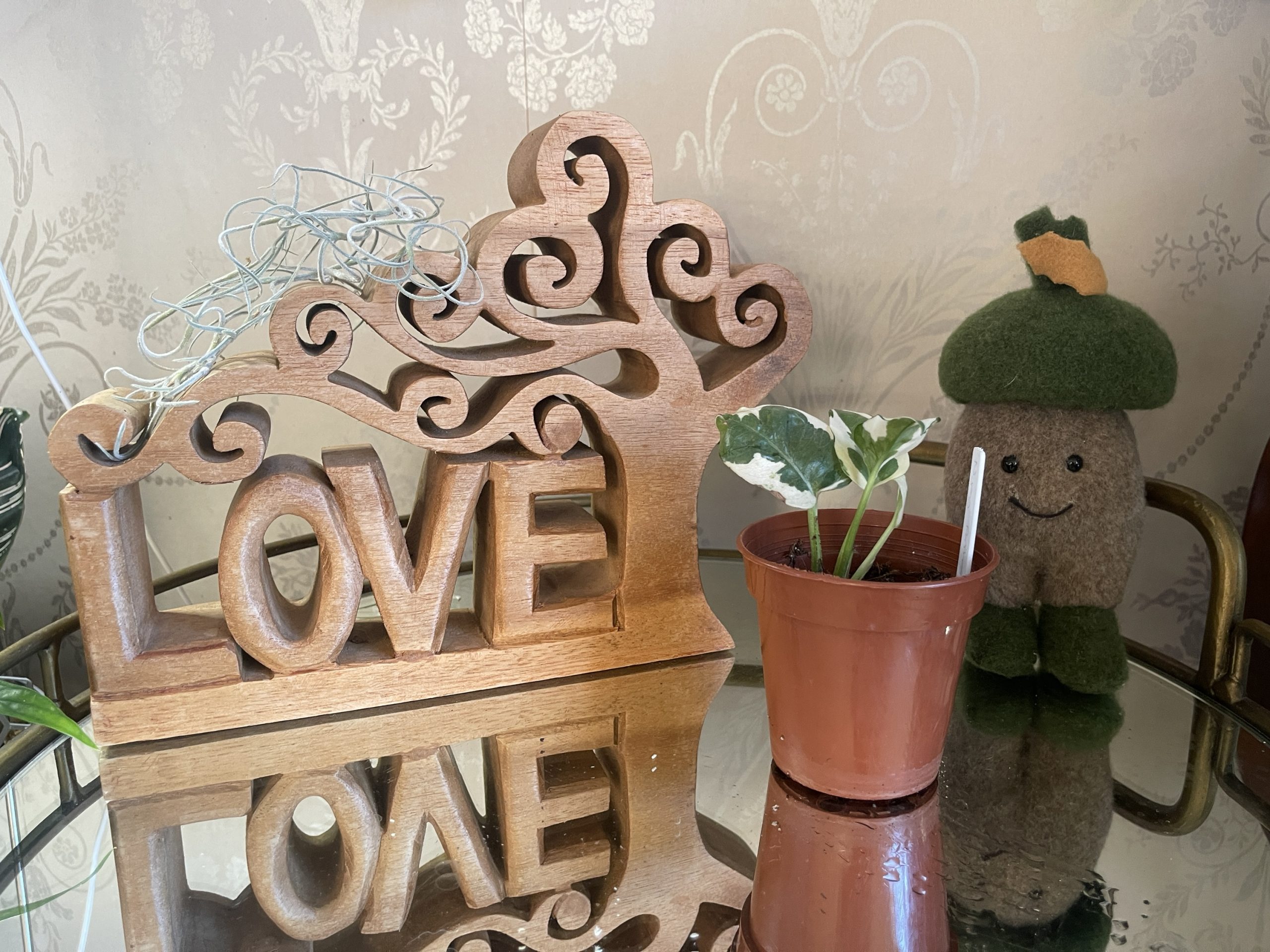
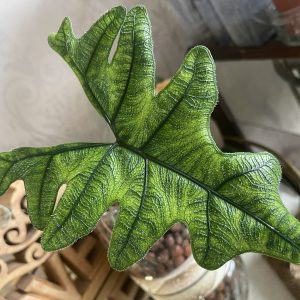
Description
N’Joy Pothos Care
Caring for N’Joy is similar to many of its relatives in the Epipremnum genus, although they are known for being the slow growers of Pothos types.
Since N’Joy’s leaves are highly variegated, they also require more light than other pothos, such as the golden or pearls and jade Pothos.
Generally, this tropical plant is considered a hardy, low-maintenance houseplant that is perfect for beginners and experienced houseplant collectors.
Let’s jump in to what the N’Joy pothos requires:
Light
When growing in native rainforests, pothos plants grow under canopy trees’ shade.
N’Joy Pothos’ light requirements are bright indirect light, and this need can easily be met by keeping this tropical plant close to an east or north-facing room window.
If south or west exposure is the only one available, you can look for a spot that does not receive full or direct sunlight cause the stronger rays of the afternoon sun can damage this small plant foliage.
This tropical plant can also tolerate low light levels and thrive with artificial light when placed in tricky areas like offices.
As long as the N’Joy pothos receives sufficient light, it will thrive happily.
Water
When grown indoors, the N’Joy pothos plant prefers to dry out slightly between waterings.
Allow the soil’s top 1 to 3 inches to dry, and then you can water thoroughly, allowing the excess moisture to drain from the pot’s bottom drainage holes.
N’Joy Pothos are susceptible to root rot if kept in overwatered conditions, so make sure your plant’s soil never gets waterlogged and soggy, as it can lead to fungal diseases like root rot.
If you’re an experienced plant owner, you can eliminate any watering need for your plant by growing it hydroponically.
Humidity
Pothos plants, in general, are used to high humidity levels. Their ideal humidity in the rainforest is 80%. However, N’Joy Pothos’s humidity needs are flexible. While its ideal humidity is between 60-80%, levels as low as 30% can also be tolerated.
In most places, N’Joy Pothos will not need to be provided with supplementary humidity sources (Such as humidifiers).
If the area’s air is too dry, the plant’s leaves will crisp around the edges. To avoid this, spritz them every few days with fresh distilled water. Avoid tap water, as the salts and chemicals in them can damage the plant’s foliage.
Temperature
The ideal temperature range for the Pothos N’Joy is 60 to 80ºF, as it is a tropical native plant.
However, this tropical plant has a limited temperature tolerance for temps below 50ºF, so you might want to keep your N’Joy Pothos away from air conditioning vents that blast cool air.
Extremely low temperatures may damage the plant’s leaves or may trigger dormancy.
This tropical plant has no frost hardiness whatsoever, so if you take your pothos N’Joy outdoors to enjoy the steamy summer weather, remember to bring it in before the temperatures fall.
Soil
N’Joy Pothos soil has to be well-draining as this plant does not tolerate sitting in wet soil, and its pH level should be mildly acidic or 6.1-6.6.
A special aroid soil will not need any arrangements to make the perfect soil for this plant. However, you can make your own if you can’t get a special soil mix.
Mix equal parts of perlite, peat moss, and potting soil for a well-draining light mixture your plant will love and thrive in.
If you switch a well-rotted compost for the potting soil, you won’t have to fertilize it.
Fertilizer
This plant enjoys being fertilized frequently during its active growing seasons to encourage healthy growth.
You can apply balanced liquid fertilizer once a month during its growing season in the spring and summer for better results.
Fertilizing N’Joy Pothos is an excellent way to keep its leaves as lush as possible.
Pruning
Pruning is not an essential part of your care N’Joy Pothos guide, but it can be done during its active growing season to control growth and ensure your plant is growing correctly. However, remember that N’Joy Pothos are relatively slow growers, so any growth you trim off will not grow back immediately. That being said, you can use any stem cuttings from pruning for propagation purposes and replant them back in the original plant to give them a much fuller appearance.
Potting & Repotting
N’Joy pothos plants are naturally slow growers, so repotting is unnecessary for up to 2 to 3 years.
When roots start growing out of the pot’s drainage holes, and the water runs tight during watering, it’s time to repot your tropical plant.
If the plant becomes rootbound, it will need more soil to hold the limited moisture needed to grow.
When reporting this pothos plant, move up at least one pot size and ensure it has suitable drainage holes.
Use fresh potting soil and water thoroughly to help it settle into its new home.
Pothos, in general, are easy to grow and generally problem free for the most part. However, as with any other houseplant, there are typical problems you may encounter while growing your N’Joy Pothos, especially if you are new to caring for pothos plants.
Here are some things you should keep an eye out for:
Stunted Growth
If you believe your N’Joy plant is not growing, you could blame the lack of light.
Pothos plants should be positioned within a few feet from a bright window. Your tropical plant may suffer stunted growth if placed far from the nearest natural light source.
Also, remember that N’Joy is considered one of the slow-growing pothos varieties compared to others.
Pests and Diseases
This tropical plant is susceptible to common pests and diseases like many houseplants.
Watch out for signs of common pests such as spider mites, fungus gnats, thrips, mealybugs, and other common conditions like root rot.
As long as you ensure your plant is pest-free before bringing it home, this pothos plant is not very prone to infestations.
Yellow Leaves
Yellow leaves can indicate different things, but it is the most common sign of overwatering, followed by lack of light, underwatering, or too much light.
Unfortunately, to find out what exactly is damaging your plant, you will need to take a closer look at the plant’s growing environment to make the proper adjustments.
Is the soil moist between waterings? Overwatering. Is the soil ‘crispy’ dry between watering? Underwatering. Ensure your N’Joy pothos receives the right amount of light, avoid hard direct sunlight, which can cause leaf burn, and avoid low light areas, or your plant will “sacrifice” its older leaves to preserve energy.
Brown Leaves
Brown leaves are usually easier to resolve -unlike yellowing leaves. If your N’Joy is developing brown spots or is turning brown around the edges, lack of water or humidity is the issue. Ensure you water your N’Joy correctly or increase humidity to prevent further browning.
Drooping leaves
Drooping leaves are caused by underwatering. Give your N’Joy pothos a good glug of water, and it should bounce back up.
Try to do the finger test in between waterings; if you let your plant’s soil dry completely in between waterings, your plant’s leaves will continue to droop.

Reviews
There are no reviews yet.